
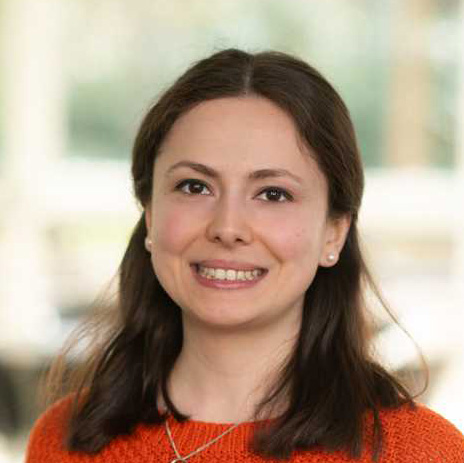
I am a PhD student in the Language Development at the Max Planck Institute. I am interested in what helps young children build rich vocabularies.
When children are little, they spend most of their time with their parents, who are thus also the people they talk to the most. It is therefore no surprise that most children learn their first words at home, from their parents. But what exactly supports children's language development best? This is a question shared by parents and researchers alike, and it is the question at the heart of my work: what role do children's everyday experiences with language within the family play in vocabulary development?
In my main project, Taal In Je Genen en je Ervaringen (TIJGER), my team and I ask a large number of families about their toddlers’ vocabulary skills, their own vocabulary skills, and the language experiences children have in daily life. In doing so, we look at the role of both mothers and fathers. Most research in this field focuses on only one parent — usually the mother — whereas this study aims to understand the role of fathers as well. To make it as easy as possible for families to take part, the study is conducted entirely online, so parents can participate from anywhere in the Netherlands.